

When people think about childhood development, they often separate fun and learning into two different categories. Learning is associated with education and skill-building, while fun is viewed as entertainment or downtime. In reality, these two elements are deeply connected. Some of the most meaningful learning experiences happen when children are having fun, and some of the most enjoyable activities are also teaching valuable life skills.
A healthy childhood includes both opportunities for learning and opportunities for play. When fun and education work together, children become more engaged, curious, confident, and motivated to explore the world around them.
Understanding how to balance these two important aspects of development can help parents, caregivers, and educators create environments where children thrive.
Learning Happens Naturally Through Play
Children are naturally curious. From a young age, they learn by touching, exploring, observing, and experimenting with their surroundings. Play provides the perfect environment for this type of learning because it feels enjoyable rather than forced.
When children build with blocks, solve puzzles, create artwork, or engage in imaginative play, they are developing important skills without necessarily realizing it. They learn problem-solving, communication, creativity, and critical thinking while having fun.
This natural connection between play and learning helps children stay motivated and interested in discovering new things.
Why Fun Makes Learning More Effective
Children tend to retain information better when they are actively engaged and enjoying the experience. Fun activities often create positive emotions, which can strengthen memory and encourage continued participation.
When learning feels exciting rather than stressful, children are more willing to take risks, ask questions, and try new things. They become active participants in the learning process instead of passive observers.
Whether it’s through educational games, hands-on projects, storytelling, or interactive activities, incorporating fun can make learning more meaningful and memorable.
Building Creativity and Imagination
Fun activities often encourage imagination, which plays an important role in child development. Creative play allows children to think beyond what is directly in front of them and explore new ideas.
Pretend play, storytelling, arts and crafts, and open-ended toys give children opportunities to create their own worlds, characters, and solutions. These experiences help develop creative thinking and flexibility.
Creativity is valuable not only during childhood but throughout life. It supports innovation, problem-solving, and the ability to adapt to new situations.
By balancing fun with learning, children have more opportunities to strengthen these important skills.
Supporting Cognitive Development
Educational activities that include elements of fun can support cognitive growth in a way that feels engaging rather than overwhelming.
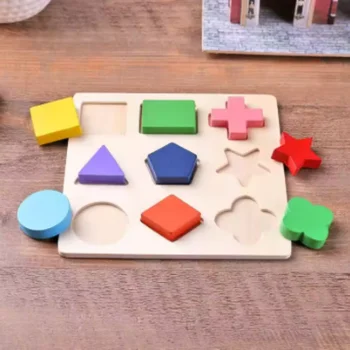
Games that involve memory, matching, sorting, building, and strategy help children strengthen concentration, reasoning, and decision-making skills. Because these activities are enjoyable, children are often willing to spend more time practicing and improving.
Learning through enjoyable experiences helps create a positive attitude toward education that can last for years.
Children who associate learning with curiosity and discovery are more likely to remain motivated as they grow.
Social and Emotional Benefits
Fun and learning also work together to support social and emotional development. Group activities, cooperative games, and imaginative play teach children how to interact with others, communicate effectively, and navigate social situations.
Children learn how to share, take turns, listen, and solve conflicts while participating in enjoyable activities with peers and family members.
These experiences help build confidence, empathy, and emotional awareness. They also teach children how to manage frustration, celebrate successes, and work toward common goals.
Social and emotional skills are just as important as academic abilities when it comes to overall development.
Preventing Burnout and Over-Scheduling
In today’s busy world, children often have packed schedules filled with structured activities, lessons, and academic expectations. While education is important, children also need time to simply enjoy being kids.
Fun helps reduce stress and gives children opportunities to recharge mentally and emotionally. Unstructured play allows them to explore their interests and develop independence.
Balancing educational activities with enjoyable play experiences helps prevent burnout and keeps learning from feeling like a chore.
A healthy balance ensures children have time to grow academically while also nurturing creativity, happiness, and well-being.
Choosing Activities That Blend Fun and Learning
Many activities naturally combine entertainment and education. Building projects, arts and crafts, science experiments, outdoor exploration, board games, and reading adventures all offer opportunities to learn while having fun.
The best activities often encourage curiosity and participation rather than focusing solely on outcomes. When children enjoy the process, they are more likely to stay engaged and continue learning.
Parents and caregivers don’t always need separate “learning time” and “play time.” Often, the two can happen simultaneously through thoughtful activities and experiences.
The Importance of Following a Child’s Interests
One of the most effective ways to balance fun and learning is to pay attention to what interests a child. Children are naturally motivated when they are exploring topics they enjoy.
A child who loves animals may learn through books, pretend play, outdoor exploration, and creative projects related to animals. A child interested in building may develop math and engineering skills through construction toys and hands-on projects.
Following a child’s interests helps learning feel exciting rather than mandatory, creating a stronger connection between education and enjoyment.
Preparing Children for Lifelong Learning
The ultimate goal of balancing fun and learning is not simply academic success—it’s helping children develop a lifelong love of learning.
When children experience learning as something enjoyable, they become more confident in their ability to explore new ideas and solve problems. They learn that education is not limited to classrooms but can happen anywhere.
This mindset encourages curiosity, resilience, and a willingness to continue learning throughout life.
By creating positive experiences around both play and education, parents can help children build habits that support future growth and success.
Final Thoughts: Learning and Fun Work Best Together
Fun and learning are not opposites. In fact, they often work best when combined. Children learn naturally through play, exploration, creativity, and enjoyable experiences that capture their attention and imagination.
A balanced childhood includes opportunities to build knowledge and skills while also experiencing joy, curiosity, and freedom. When education and entertainment work together, children become more engaged, confident, and excited about discovering the world around them.
By encouraging activities that blend fun with learning, parents and caregivers can support healthy development while creating meaningful memories that children will carry with them for years to come.
How do you balance fun and learning in your child’s daily routine? Share your favorite activities that combine both! 🎨📚✨


0 Comments