

Creating a fun and safe play environment at home is one of the best ways to support a child’s growth, creativity, and independence. A well-designed play space doesn’t just keep kids entertained—it helps them learn, explore, and develop important life skills while giving parents peace of mind.
The good news is you don’t need a large home or expensive setup. With thoughtful organization, basic safety steps, and intentional play zones, any space can become a child-friendly environment that encourages both fun and learning.
Start With Home Organization That Encourages Independence
A well-organized play area is the foundation of a successful home environment. When everything has a clear place, children can easily find what they want and learn to clean up on their own.
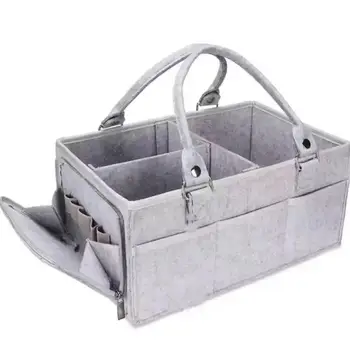
Simple storage solutions like bins, baskets, shelves, and labeled containers help reduce clutter and make the space more manageable. Keeping items at a child’s height encourages independence, allowing them to choose activities without constant adult help.
Rotating toys is another helpful strategy. Instead of having everything available at once, switching out toys every couple of weeks keeps the space fresh and exciting while preventing overwhelm.
A clean and organized environment helps children focus more on play and less on distractions.
Safety Comes First in Every Play Space
Safety is the most important part of any home play environment. Children learn best when they feel secure and free to explore.
Start by securing heavy furniture to walls, covering electrical outlets, and removing small or sharp objects from reach. Soft rugs or foam mats can help reduce the risk of injury during active play.
It’s also important to regularly inspect toys for damage. Broken or worn-out items should be removed or repaired to prevent accidents.
The goal is not to restrict play but to create a space where children can explore confidently without unnecessary risk.
Create Clear and Engaging Play Zones
Designating specific areas for different types of play helps children stay organized and engaged. Even small spaces can be divided into simple zones.
For example, you might have a reading corner with books and cushions, a creative space for drawing and crafts, and a building area with blocks or construction toys. Each zone supports different types of learning and imagination.
These defined spaces also make cleanup easier and help children understand where activities belong. Over time, this structure encourages responsibility and independence.
Play zones don’t need to be elaborate—they just need to be consistent and intentional.
Encourage Independent Play and Creativity
Independent play is essential for developing confidence, creativity, and problem-solving skills. When children play on their own, they learn how to make decisions, explore ideas, and entertain themselves.
To encourage this, make sure toys are easy to access and open-ended. Items like blocks, dolls, puzzles, and art supplies allow children to create their own games and stories.
Start with short periods of independent play and gradually increase the time as your child becomes more comfortable. Staying nearby at first can help them feel secure while still allowing independence.
Independent play is not only beneficial for children—it also helps build healthy routines for families.
Balance Structure With Flexibility
While organization is important, too much structure can limit creativity. A great play environment balances order with freedom.
Allow children to use toys in different ways and combine materials creatively. A blanket can become a fort, a box can become a spaceship, and everyday items can spark imaginative storytelling.
This kind of flexible play encourages innovation and helps children develop critical thinking skills.
Keep the Environment Fresh and Engaging
Children can lose interest if their environment stays the same for too long. Rotating toys and activities helps maintain excitement and curiosity.
Bringing out different toys at different times encourages children to rediscover items in new ways. It also helps keep the play area less cluttered and more manageable.
You can even introduce themed play periods, such as building weeks, art-focused days, or imaginative storytelling sessions to keep things engaging.
Teach Clean-Up as Part of Play
Clean-up is an important life skill that should be included in the play routine. When children learn to put things away after playing, they develop responsibility and organization habits early on.
Using labeled bins or simple storage systems makes clean-up easier to understand. Turning it into a consistent routine helps children see it as a normal part of play rather than a chore.
Over time, children become more independent and confident in managing their own space.
Final Thoughts: A Space That Supports Growth and Fun
A fun and safe play environment at home is about more than toys and furniture—it’s about creating a space where children feel free to explore, learn, and grow.
With thoughtful organization, strong safety practices, and intentional play zones, parents can build an environment that supports both independence and creativity.
The best play spaces are not perfect—they are flexible, engaging, and designed with the child’s development in mind.
What kind of play setup works best in your home—structured zones or open creative spaces? 🏡✨


0 Comments